Daniel Day-Lewis in The Last of the Mohicans (1992): Hawkeye, the Hair and the Film’s Legacy
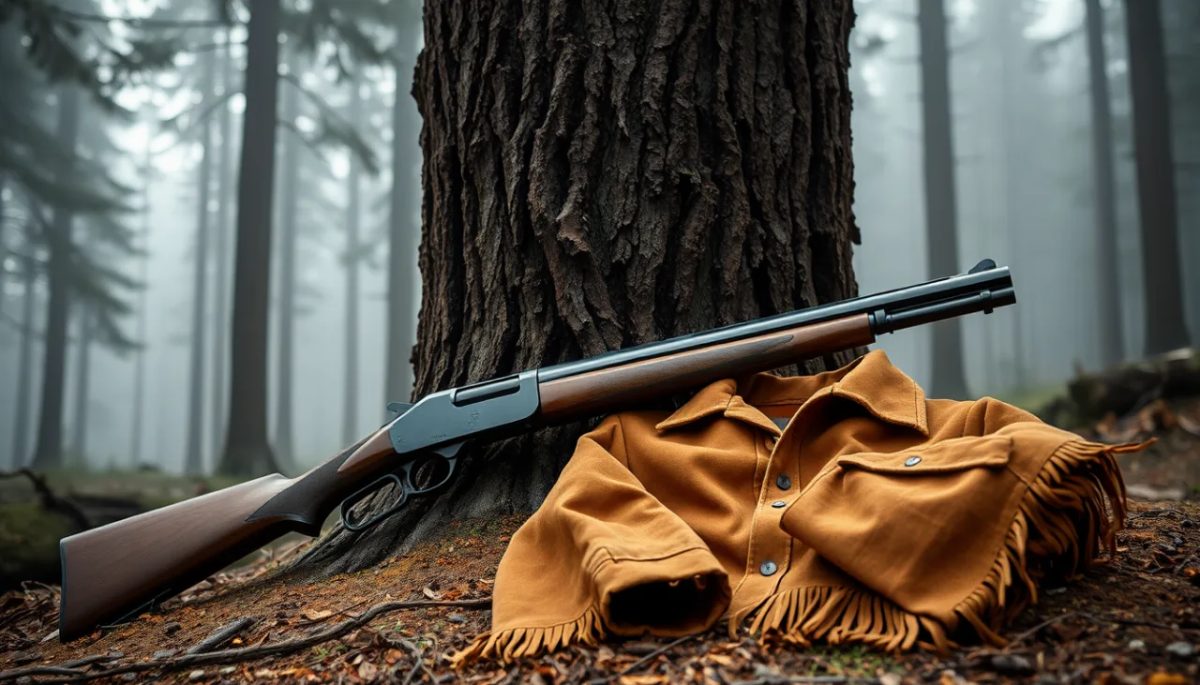
Daniel Day-Lewis starred as the frontiersman Hawkeye in Michael Mann’s The Last of the Mohicans, released in September 1992. The film’s stills, with the long dark hair, buckskin and flintlock rifle, are still among the best-known images of his career.
The film is set in 1757, in the third year of the war between England and France for the American colonies. Hawkeye is the adopted son of the Mohican Chingachgook. He agrees to guide a party of British travellers to safety, among them Cora Munro, played by Madeleine Stowe.
The look: Hawkeye’s hair
Writers discussing Day-Lewis’s hair often come back to this role. One critic remembers the “long, black tresses” and fierce gaze that made the character an instant screen heartthrob. The long, loose style was a break from the period-drama polish of his earlier roles, and it became shorthand for the character.
It is also the style people ask about when they take a picture to the barber. The practical lesson is that very long, layered hair needs a cut that suits its texture, and thick, curly hair behaves differently from straight hair. A stylist can tell you what will hold the shape.
A star turn that surprised critics
Day-Lewis was best known for My Left Foot, A Room with a View and My Beautiful Laundrette. Roger Ebert noted that none of those roles would suggest he could play an action hero, yet he called Day-Lewis the right actor for Hawkeye. A Library of America essay describes the character as a man rather than a superman. It also says Mann and Day-Lewis gave Cooper’s celibate hero an open sexuality, which was controversial at the time.
The cast
- Daniel Day-Lewis as Hawkeye (Nathaniel Poe)
- Madeleine Stowe as Cora Munro
- Jodhi May as Alice Munro
- Russell Means as Chingachgook
- Eric Schweig as Uncas
- Wes Studi as Magua
- Steven Waddington as Major Duncan Heyward
From Cooper’s novel to Mann’s film
The story comes from James Fenimore Cooper’s novel. Philip Dunne’s screenplay for the 1936 film version is also credited as a source. Mann co-wrote the script with Christopher Crowe. He has said that the 1936 version was his first conscious movie memory. Ebert judged Mann’s film a considerable improvement on the novel.
Awards and box office
The film won the Academy Award for Best Sound. It also won BAFTAs for cinematography and make-up. Dante Spinotti shot it, and the score is credited to Trevor Jones and Randy Edelman. Against a budget of about $40 million, it took about $143 million at the box office.
Why it still gets watched
Viewers today tend to praise the film’s immediacy more than its history. Mann’s camera work and the sound of the woods give the frontier a physical presence. The film is also known for its romance. It remains a good place to start with Day-Lewis’s early work, and the hair is the detail people remember.